
Two building types, one climate system, tuned for mushrooms.
Whether it's a shipping container in a courtyard or an underused basement, the core build is the same: insulate, rack, automate, inoculate.
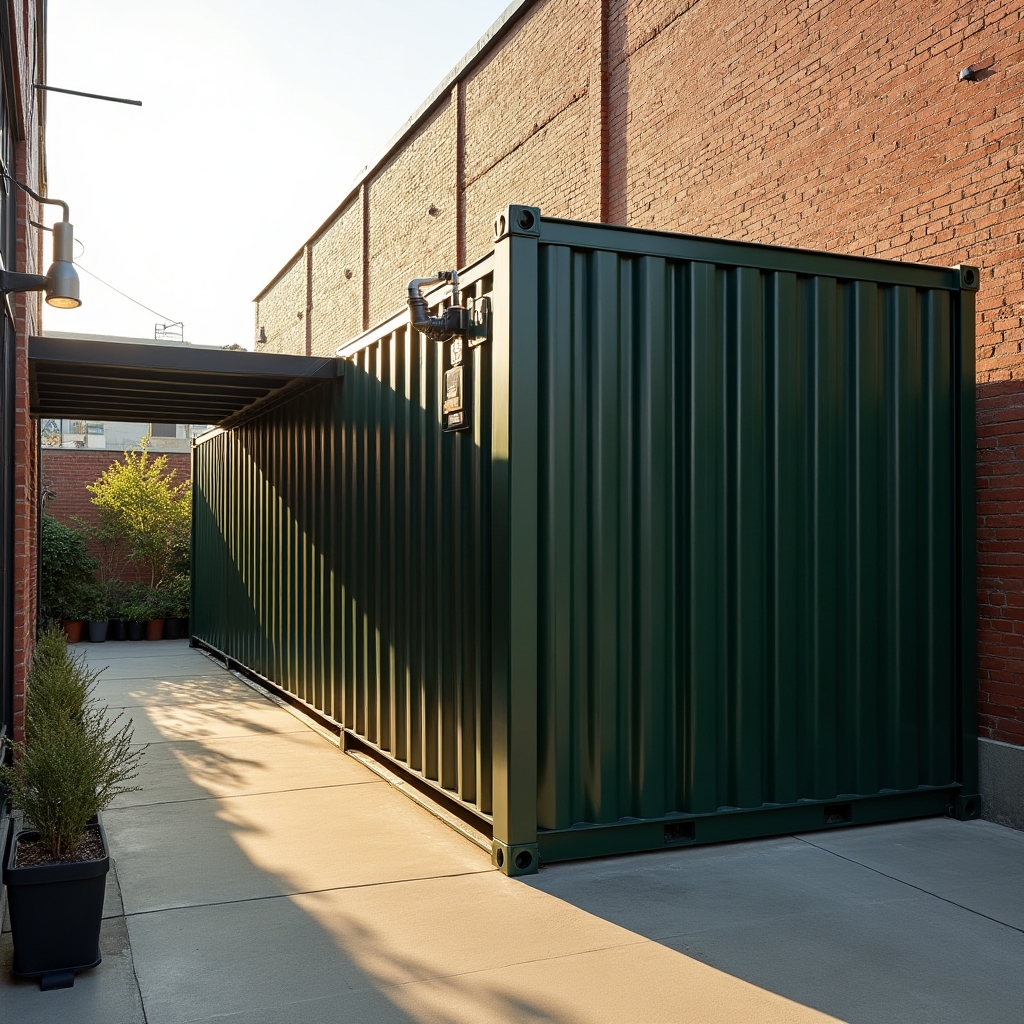
For sites without spare interior space
A refurbished shipping container works well when there's no basement or storeroom to convert, but there is a bit of yard, courtyard or loading area available. We insulate the shell, fit misting and ventilation, and finish the interior with washable panelling that holds up to daily humidity.
Containers are useful for organic shops especially, since the unit can sit right next to a produce counter and double as a visible growing display for customers, without needing to touch the existing building structure at all.
- Delivered and positioned within a few weeks of the site survey
- Insulated shell keeps energy use for climate control reasonable
- Suitable where planning rules restrict interior alterations
Making use of the space you already have
Basements, disused cold stores and old cellar rooms tend to already have two things mushrooms want: cool, stable temperatures and low light. We check the existing walls for damp control, add vapour barriers where needed, then build racks around the room's actual shape rather than forcing a standard layout.
Because the structure already exists, basement conversions are usually the more direct route for restaurants and hotels with unused below-ground space, and they keep the growing room close to the kitchen for a shorter walk during service.
- Works with existing plumbing and electrical routing where possible
- Damp and drainage assessment included in the site survey
- Racks custom-fitted to irregular basement shapes and columns
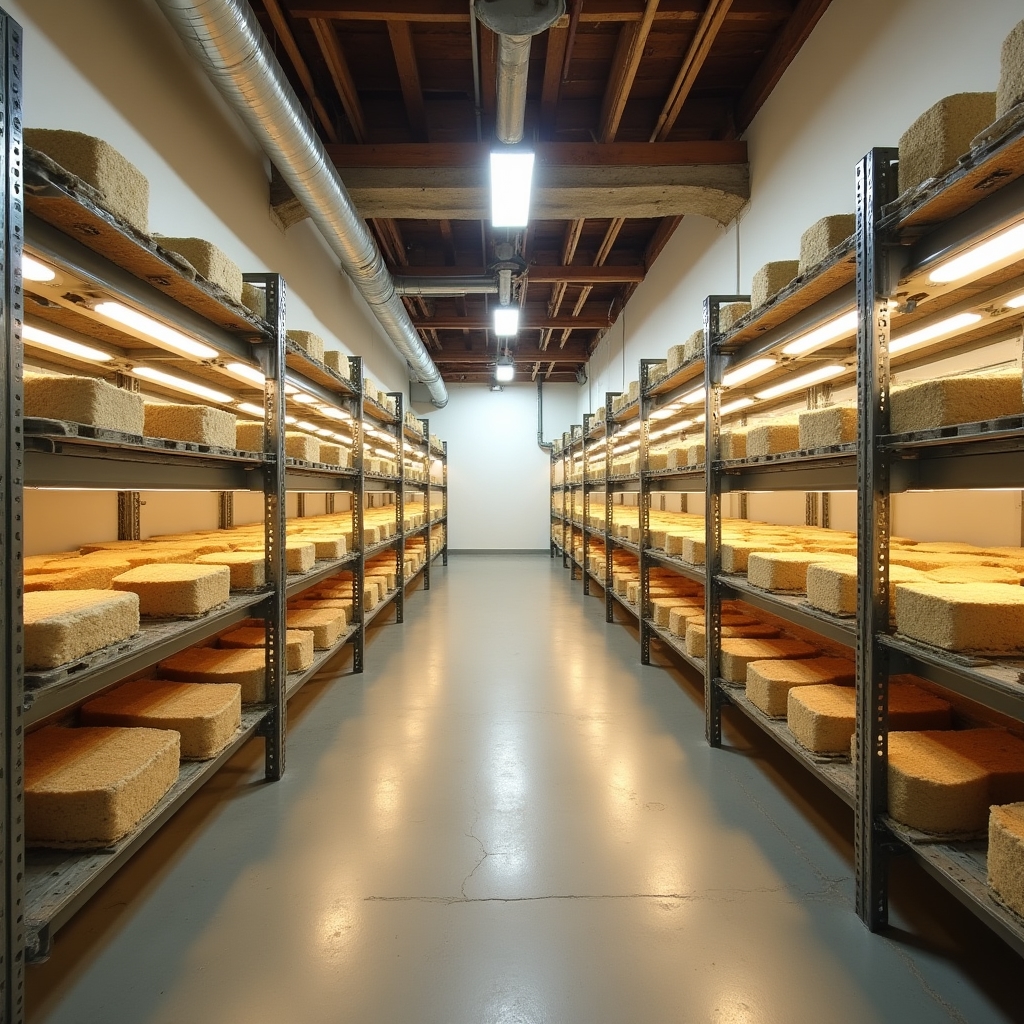
Racks, sensors, and the automation between them
Species selection depends on your kitchen and your room
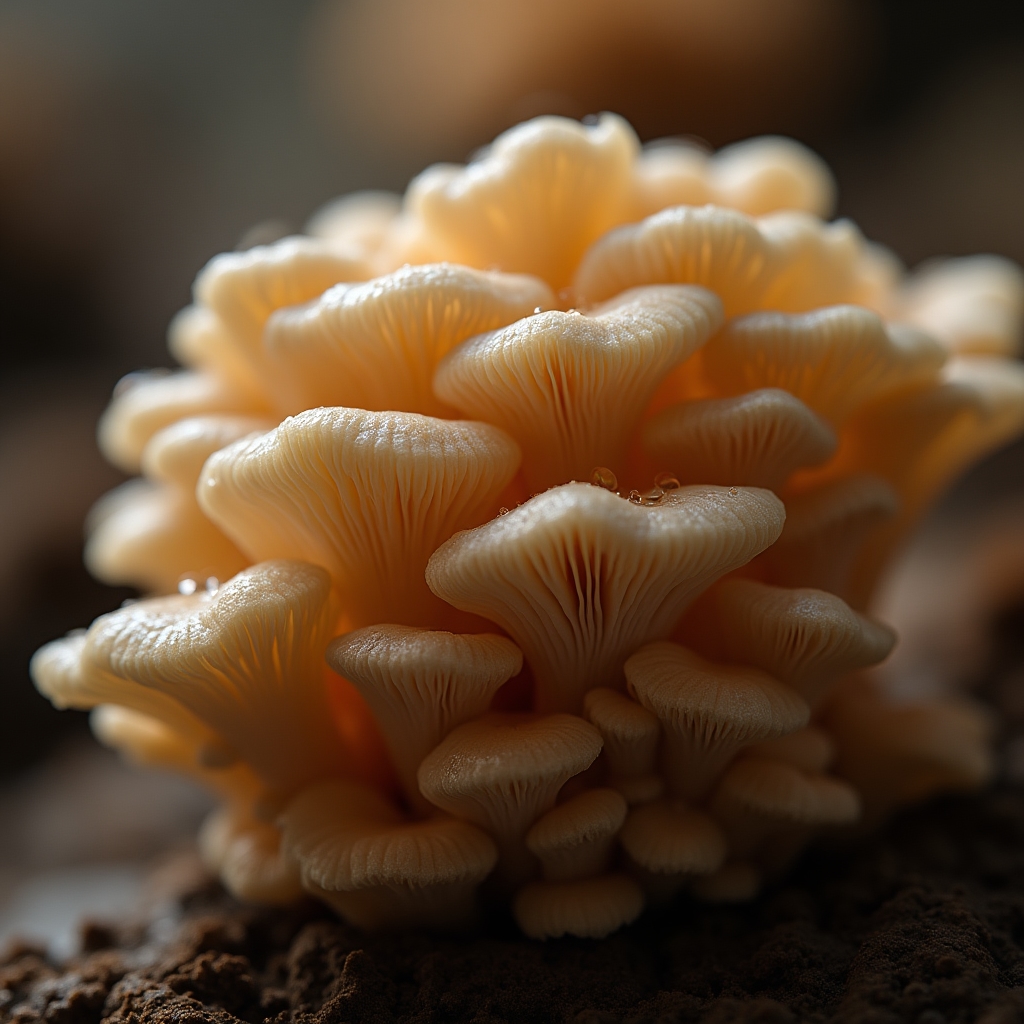
Oyster mushrooms are usually the starting point: fast growing, forgiving of small climate swings, and productive within a compact rack footprint. Shiitake take longer per cycle but hold well once harvested, which suits hotel kitchens with less predictable daily demand. Lion's mane needs steadier humidity but appeals to kitchens building a dish around its texture.
We usually recommend starting with one or two species in the first few months, then expanding the rack plan once your kitchen has a rhythm with daily harvesting and the automation is holding steady on its own.
Have a container, cellar or cold store in mind?
Tell us roughly what the space looks like and we can talk through whether a rack layout and climate system would fit comfortably.
Start the conversation