
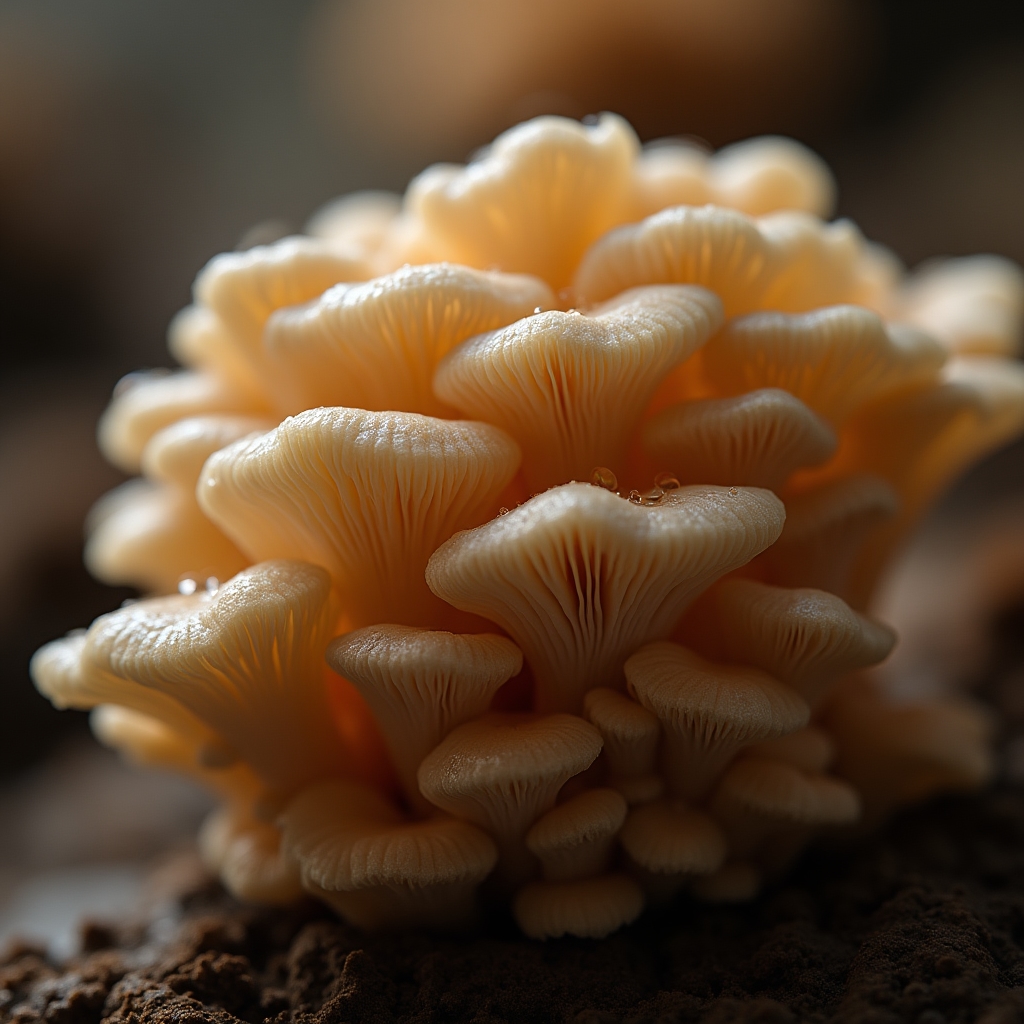
One setup fee. One monthly subscription. We handle the biology.
This page walks through the two-part pricing model, what the monthly visit actually involves, and who tends to find this arrangement useful.
How payment is structured
Setup fee
A one-time fee covers the site survey, insulation and racking work, sensor installation, and the first batch of inoculated substrate. It's scaled to the size and complexity of the room, so a compact container unit costs less to fit out than a full basement conversion with structural work.
Monthly subscription
The recurring fee covers monthly substrate replacement, remote climate monitoring, a scheduled maintenance visit, and ongoing support if the automation flags an issue. It's billed on a flat monthly basis so budgeting for it is straightforward.
Exact figures depend on room size, chosen species and build type, so we quote each project individually after the site survey rather than publishing a fixed price list here.

What we actually teach your kitchen team
Before handover, we run a short training session directly in your growing room, usually with two or three kitchen staff who'll take on daily harvesting duties. It covers harvest timing, recognising a mature flush versus one that needs another day, correct cutting technique to avoid damaging the substrate block, and basic sanitation to keep contamination risk low.
We also leave a written reference sheet covering the specific species in your room, along with our contact details for anything that comes up between our monthly visits.
Why the substrate gets replaced on a schedule
Substrate blocks produce several flushes before their nutrients run down and yields drop off. Rather than waiting for output to noticeably slow, we replace blocks on a set monthly rhythm, so your room stays productive without a gap in supply.
Each visit includes removing spent blocks, cleaning the racks, checking sensor calibration, and installing fresh inoculated substrate. It's usually done outside service hours to avoid any disruption to the kitchen.
- Scheduled visits, arranged around your kitchen's calendar
- Spent substrate removed and disposed of responsibly
- Sensor and automation check included with every visit
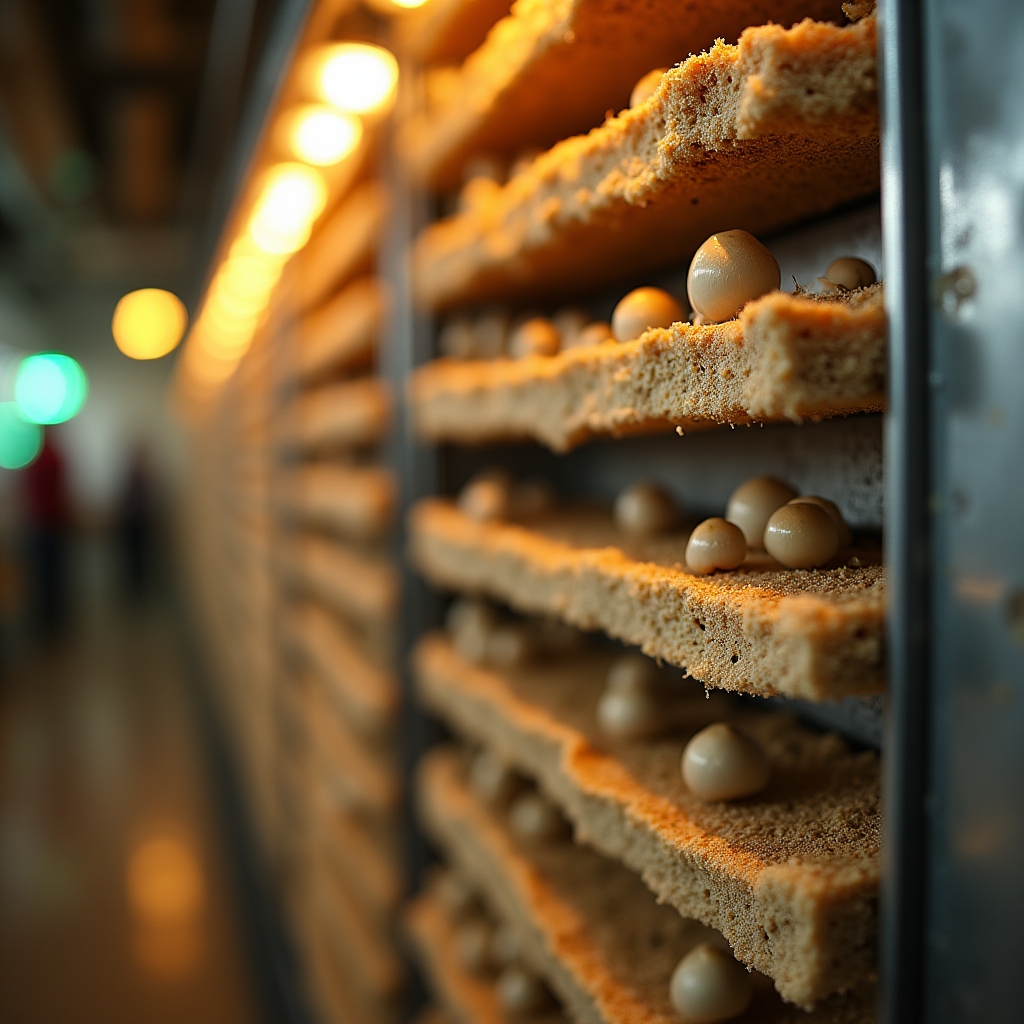
Four types of spaces we build for most often
Before you reach out
Our monitoring system usually flags a drift in humidity, temperature or CO2 before it becomes noticeable to your staff. We respond to alerts and can usually resolve a sensor or equipment issue remotely or with a quick visit, since we stay concentrated in Warsaw and Łódź for exactly this reason.
Yes, species changes are usually possible at a substrate cycle boundary, since rack spacing and humidity settings differ between species. We'd talk it through at a monthly visit and adjust the setup accordingly.
It varies. A compact rack setup can fit in a room the size of a large walk-in fridge, while a larger container or basement build supports more racks and higher daily output. We size it during the site survey based on your available space and expected demand.
No. The training we provide is designed for kitchen staff without a mycology background. The daily task is mostly recognising when a flush is ready and cutting it cleanly, which most staff pick up within the training session.
Ready to discuss a setup fee and subscription for your space?
Reach out with your city, the type of space you have in mind, and roughly how much daily harvest you'd want to support.
Get in touch